
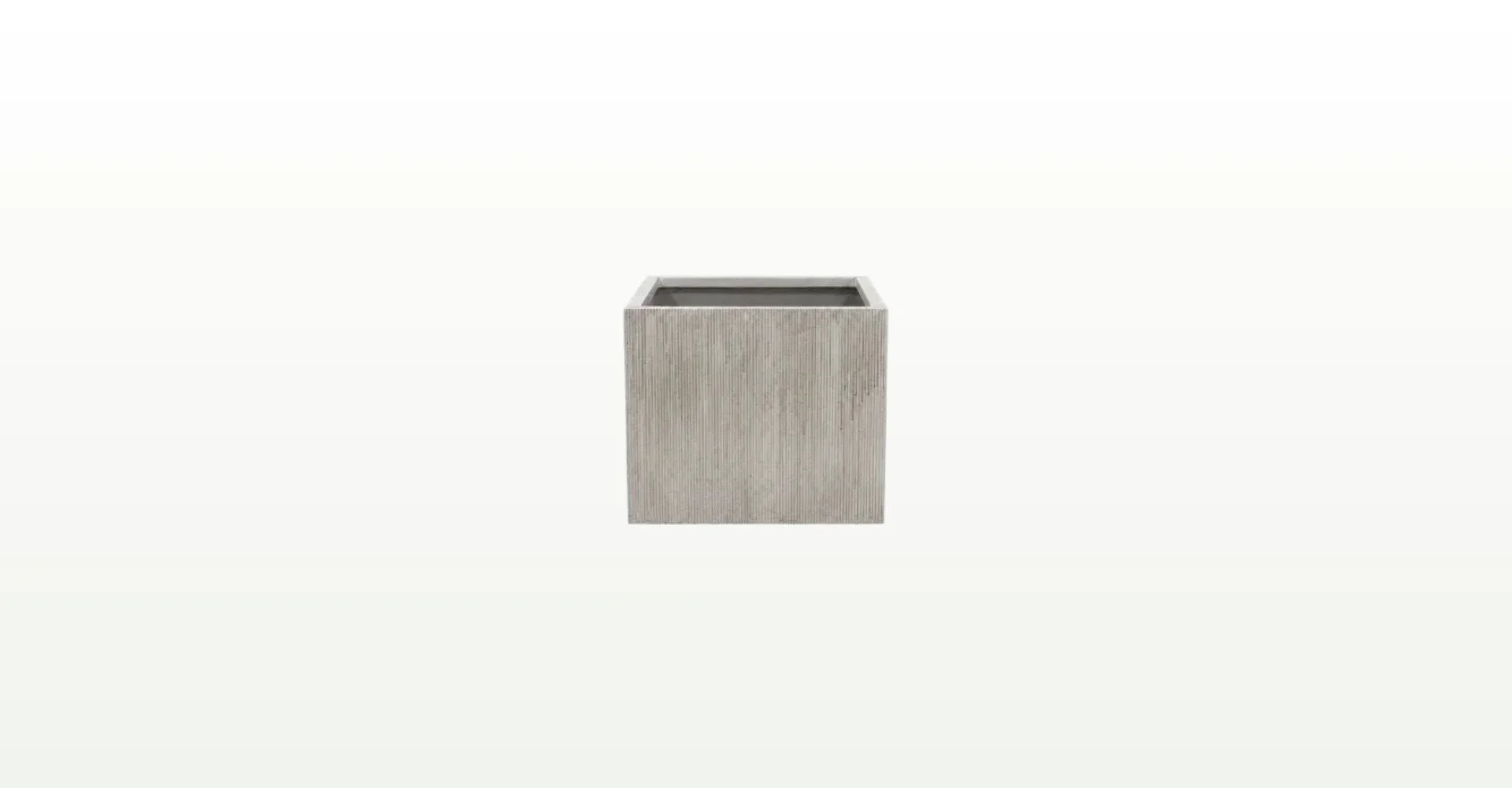
Fiberclay is one of the most popular decorative pot materials in recent years. It gives the look of concrete without the weight. So what exactly is it?
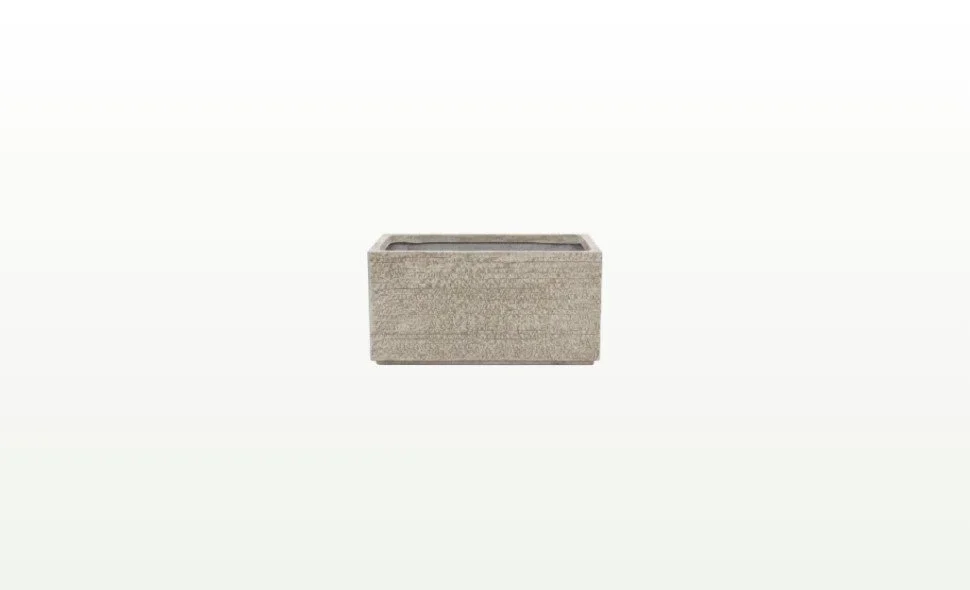
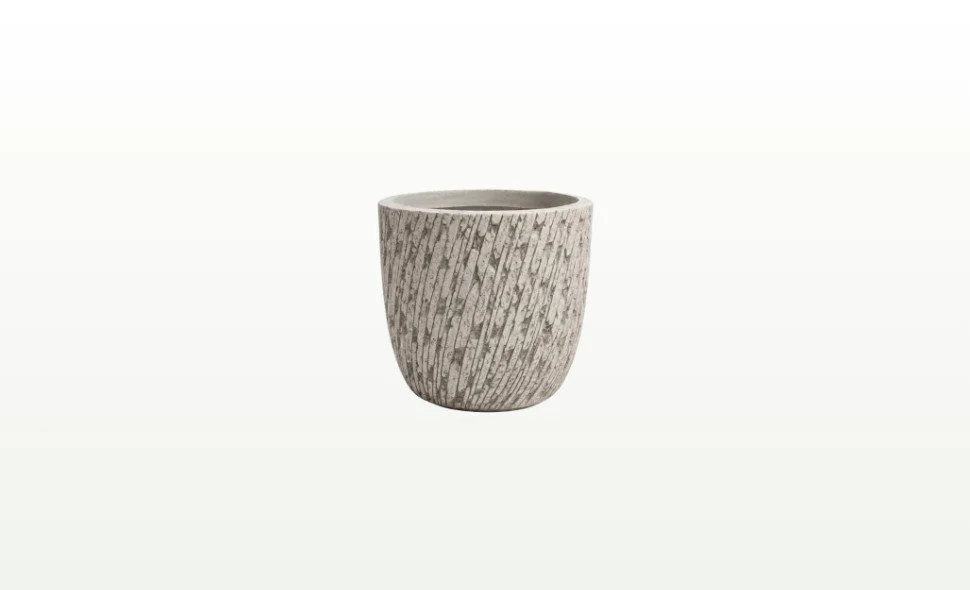
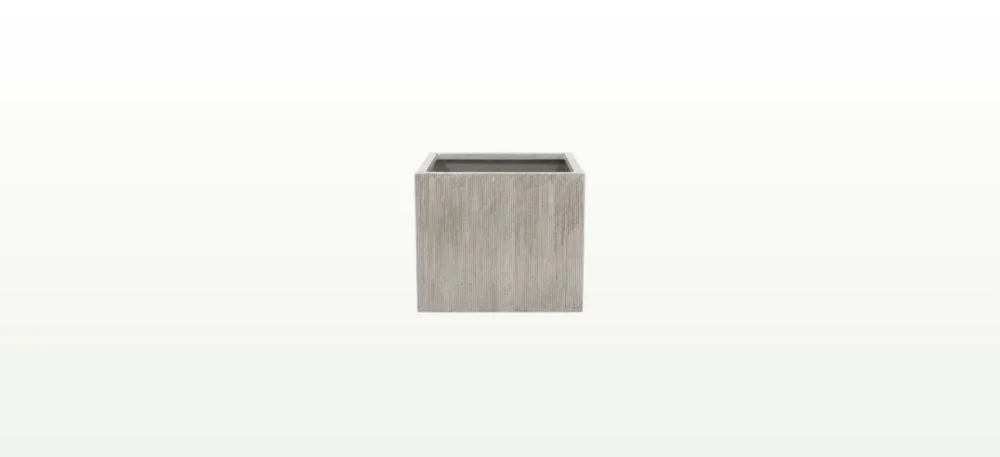
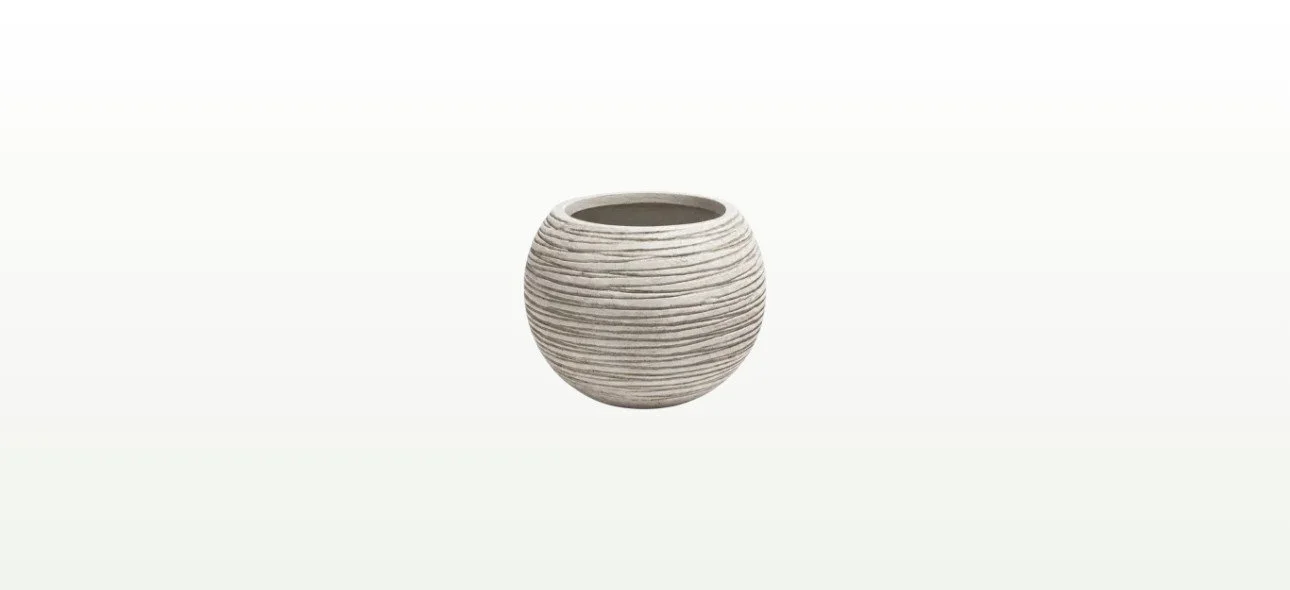
Fiberclay is a composite material made from a mixture of clay, cement and fiberglass (fiber). Thanks to the fiber reinforcement, it can be produced with a much thinner wall than concrete that gives the same look. The result: concrete texture at one-third of the weight.
The material is frost-resistant, but the real risk is water that collects inside. Water expands when it freezes and stresses the wall. That is why in winter you should make sure the pot’s drainage hole is open and set the pot on feet/blocks rather than directly on the ground; this prevents it from absorbing water from below.
Because the surface is matte, do not use polishing chemicals. Wiping with a damp cloth is enough. If limescale stains form, gently clean with diluted vinegar, then rinse. A hard brush roughens the surface texture.
It is ideal indoors for large-leaved living-room plants (strelitzia, ficus, areca), and outdoors for permanent plants such as olive and bamboo. Under Serinova’s Fiberclay brand MOGRA, there are forms such as Atlas, Blok, Aura, Kale, Lina and Orion.