
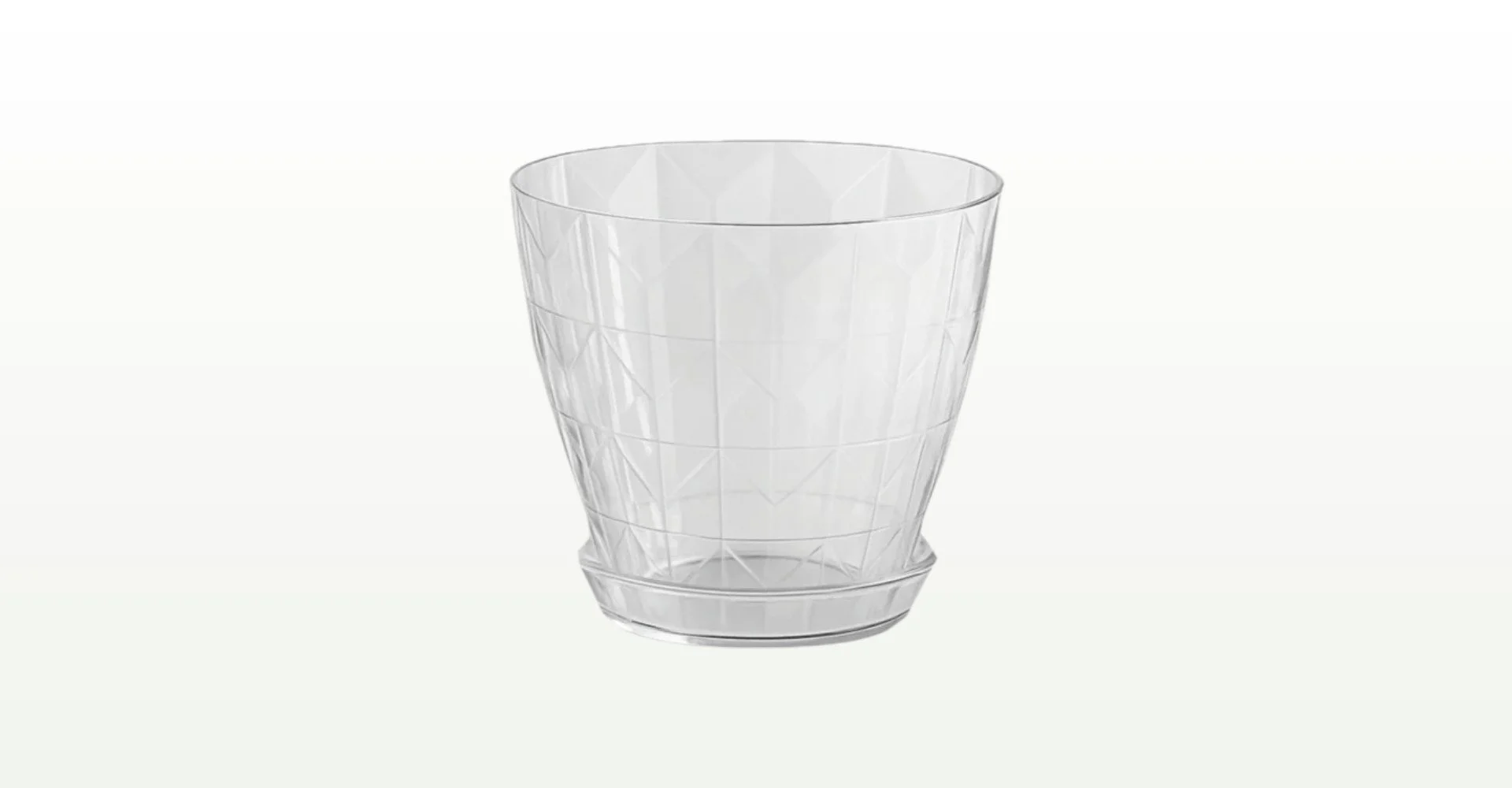
When it comes to pots, orchids behave completely differently from other houseplants. Their roots receive light and photosynthesize, so in an opaque pot you will not get the blooming you expect.
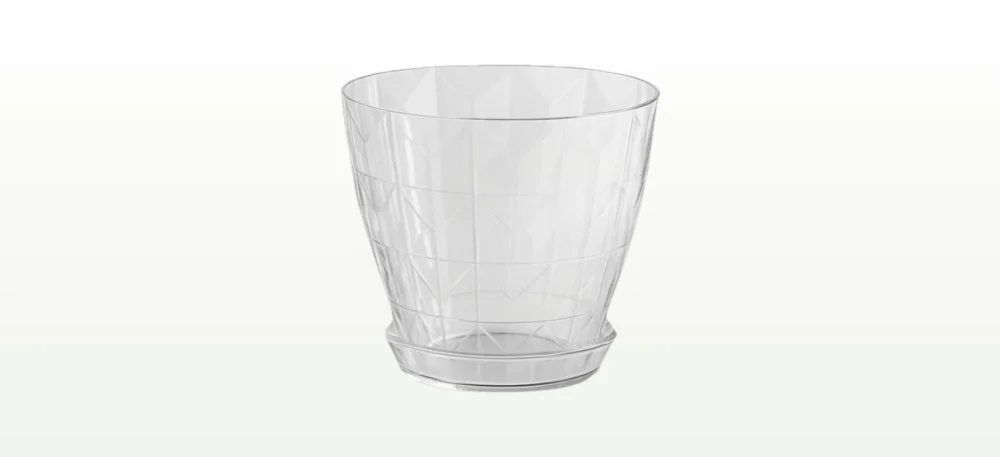
Orchid roots (especially Phalaenopsis) contain chlorophyll and photosynthesize in light. A clear pot lets light reach the roots and also shows you the root color: green root = enough moisture, silvery-white root = time to water. This alone prevents the biggest mistake in orchid care: overwatering.
Serinova’s Clear Orchid Pot is designed for exactly this need; for professional production, there is the Clear Orchid Growing Pot version.
A common mistake with orchids is using a large pot. Excess bark or soil around the roots does not dry out, stays constantly damp and the roots rot. Orchid roots should be snug enough to nearly fill the pot. A practical rule: choose the pot according to the roots, not the height of the plant. Serinova orchid pots range from 0.7 to 3 liters; for most home orchids, 1 to 1.5 liters is enough.
A bottom hole alone is not enough in an orchid pot; there should also be ventilation openings on the sides so the roots can breathe. Do not leave the pot sitting in a saucer full of water. Soaking is the preferred watering method: submerge the pot in water for 10–15 minutes, take it out and let the excess water drain off completely.
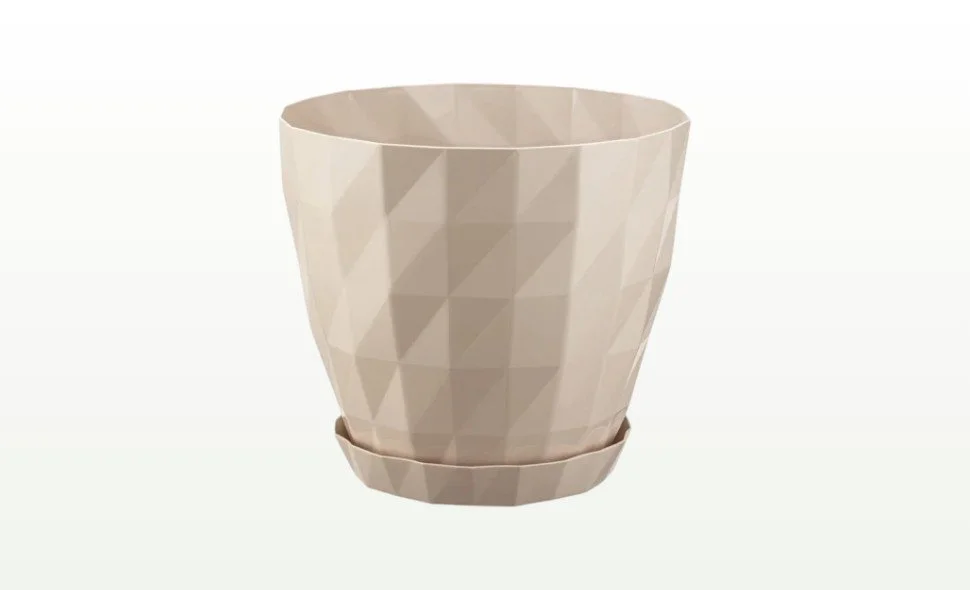
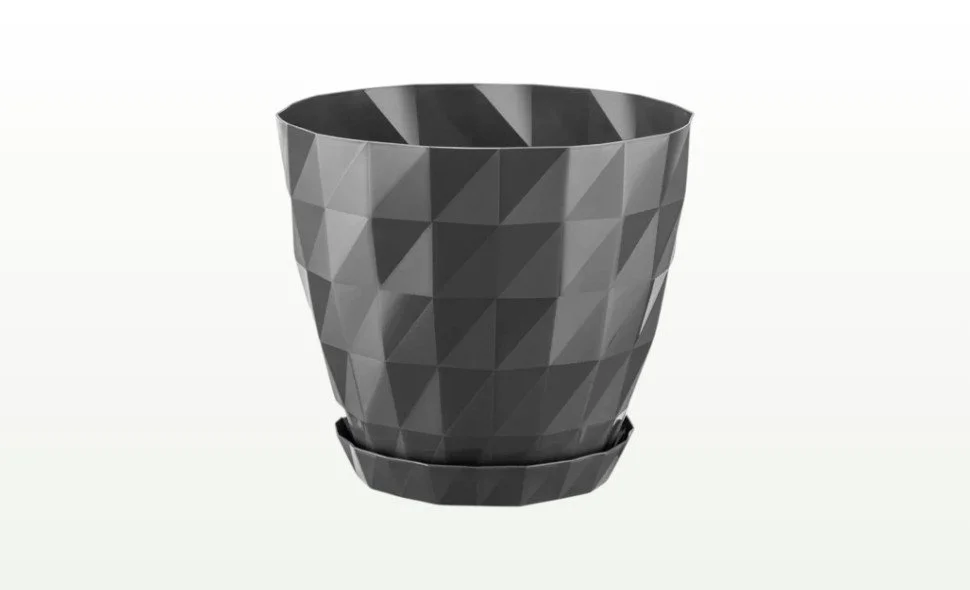
A clear pot is functional but may not suit every decor. The solution is to use two together: the orchid stays in the clear inner pot, which is placed inside a decorative outer pot. When watering, you take out the inner pot, let it drain and put it back. The Orchid Cachepot and our indoor series are suitable for this use.
When the roots start to spill out of the pot or the growing medium (orchid bark) crumbles and turns into soil, generally every 1.5 to 2 years. Repot after flowering has finished.